شناسایی مؤلفههای طراحی صنعتی تعاملی مبتنی بر الگوریتمهای هوش مصنوعی
DOI:
https://doi.org/10.61838/kman.jtesm.477کلمات کلیدی:
مدیریت بازاریابی, هوش مصنوعی, صنعت فولاد, بازاریابی هوشمند, مطالعه آمیخته, مدلسازی معادلات ساختاریچکیده
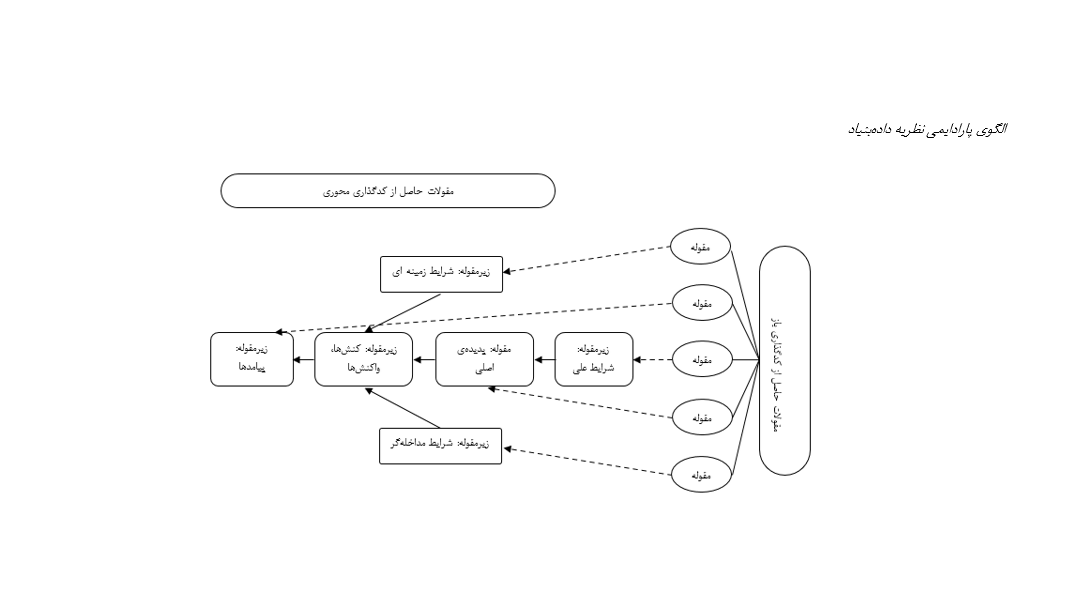
هدف پژوهش حاضر شناسایی و تبیین مؤلفههای طراحی صنعتی تعاملی مبتنی بر الگوریتمهای هوش مصنوعی و ارائه چارچوبی مفهومی برای سازماندهی ابعاد، دروندادها، فرایندها و بروندادهای آن بود. این پژوهش از نظر هدف، کاربردی و از نظر رویکرد، کیفی بود و با استفاده از روش فراترکیب انجام شد. جامعه پژوهش شامل مطالعات داخلی و خارجی مرتبط با طراحی صنعتی تعاملی، هوش مصنوعی، طراحی مولد، تعامل انسان–ماشین، تعامل انسان–ربات، مدیریت دانش صنعتی و فناوریهای هوشمند در بازه زمانی 2020 تا 2026 بود. دادهها از طریق جستوجوی نظاممند در پایگاههای علمی معتبر گردآوری شدند. پس از حذف منابع تکراری، غیرمرتبط و فاقد کیفیت روششناختی، 55 مطالعه برای تحلیل نهایی انتخاب شد. برای اجرای فراترکیب از الگوی هفتمرحلهای سندلوسکی و باروسو استفاده شد. کیفیت مطالعات با ابزار CASP ارزیابی گردید و پایایی کدگذاری از طریق توافق بین دو کدگذار بررسی شد. نتایج فراترکیب نشان داد که مؤلفههای طراحی صنعتی تعاملی مبتنی بر الگوریتمهای هوش مصنوعی در قالب 4 مقوله اصلی، 19 مفهوم و 96 کد قابل طبقهبندی هستند. مقولههای اصلی شامل بستر، درونداد، فرایند و برونداد بودند. در سطح بستر، تحول دیجیتال، زیرساخت فناورانه و دادهمحور، تعامل انسان–ماشین، الزامات اخلاقی و مدیریت دانش شناسایی شد. دروندادها شامل دادههای کاربر، دادههای طراحی و محیط، الگوریتمهای هوش مصنوعی و دانش تخصصی انسانی بودند. فرایند شامل مسئلهیابی، آمادهسازی داده، تحلیل هوشمند، تولید گزینههای طراحی، تعامل انسان–هوش مصنوعی، شبیهسازی، ارزیابی و یادگیری مستمر بود. بروندادها نیز شامل بهبود کیفیت طراحی، نوآوری، ارتقای تجربه کاربر، افزایش بهرهوری، تقویت تصمیمگیری و پیامدهای اخلاقی و سازمانی بودند. طراحی صنعتی تعاملی مبتنی بر هوش مصنوعی رویکردی چندبعدی، دادهمحور، انسانمحور و یادگیرنده است که با تلفیق قابلیت تحلیلی الگوریتمها و خلاقیت انسانی میتواند کیفیت، نوآوری، تعاملپذیری و اثربخشی فرایند طراحی صنعتی را ارتقا دهد.
دانلودها
مراجع
Alizadeh, H., Damavandinejad, M., & Behradfar, A. (2026). The role of artificial intelligence capabilities in enhancing the effect of B2B marketing on export performance: A study in the petrochemical industry. Technology in Entrepreneurship and Strategic Management, 1-18.
Chen, L. C., Pardeshi, M. S., Liao, Y. X., & Pai, K. C. (2025). Application of retrieval-augmented generation for interactive industrial knowledge management via a large language model. Computer Standards & Interfaces. https://doi.org/10.1016/j.csi.2025.103995
Fang, T., & Zhang, J. (2023). Path optimization algorithms for energy-efficient collaborative robots. IEEE Transactions on Robotics.
Forlini, M., Papetti, A., Palmieri, G., & Germani, M. (2024). Advancing human-robot collaboration in handcrafted manufacturing: Cobot-assisted polishing design boosted by virtual reality and human-in-the-loop. The International Journal of Advanced Manufacturing Technology, 132(9-10), 4489-4504. https://doi.org/10.1007/s00170-024-13639-z
Hou, K., Niu, Z. w., & Zhang, Y. (2025). A model for selecting supply chain collaboration paradigms: The impact of intelligent manufacturing models. Industrial Management & Data Systems, 125(5), 1622-1644. https://doi.org/10.1108/IMDS-05-2024-0430
Huang, X., & Li, W. (2025). Landscape renewal design of industrial sites based on environmental thermal sensing and stereoscopic vision: Space thermal energy utilization. Thermal Science and Engineering Progress, 60, 103437. https://doi.org/10.1016/j.tsep.2025.103437
Kaleli, A. (2025). Development of advanced automation systems for Industry 5.0. In Business Challenges and Opportunities in the Era of Industry 5.0 (pp. xx-xx). Emerald Publishing. https://doi.org/10.1108/978-1-83549-676-320251006
Li, D., Crespi, N., Minerva, R., Liang, W., Li, K. C., & Kolodziej, J. (2025). DPS-IIoT: Non-interactive zero-knowledge proof-inspired access control towards information-centric Industrial Internet of Things. Computer Communications, 233, 108065. https://doi.org/10.1016/j.comcom.2025.108065
Liu, Y. (2025). Interactive design scheme for building indoor thermal cycle and furniture design based on thermal simulation. Thermal Science and Engineering Progress, 59, 103360. https://doi.org/10.1016/j.tsep.2025.103360
Liu, Y., Yang, M., & Jiang, P. (2025). CGAN-driven intelligent generative design of vehicle exterior shape. Expert Systems with Applications, 274, 127066. https://doi.org/10.1016/j.eswa.2025.127066
Schonberger, M. (2024). Integrating artificial intelligence in higher education: Enhancing interactive learning experiences and student engagement through ChatGPT. In The Evolution of Artificial Intelligence in Higher Education (pp. xx-xx). Emerald Publishing. https://doi.org/10.1108/978-1-83549-486-820241002
Sheng, G., Wu, H., & Xu, X. (2024). Research on the influence of the digital economy on the development of China's small household appliance industry and enhancement countermeasures. Chinese Management Studies. https://doi.org/10.1108/CMS-08-2023-0324
Stathatos, E., Benardos, P., & Vosniakos, G. C. (2024). Ethical challenges in the new era of intelligent manufacturing systems. In The Ethics Gap in the Engineering of the Future (pp. xx-xx). Emerald Publishing. https://doi.org/10.1108/978-1-83797-635-520241004
Wang, M., Liu, W., Ning, J., Yu, S., Tang, S., & Li, J. (2025). An integrating multidimensional features method based on multi-view learning for intelligent fault diagnosis of rolling bearings. Engineering Computations, 42(4), xx-xx. https://doi.org/10.1108/EC-04-2024-0555
دانلودها
گاهشمار انتشار
- ارسال
- بازنگری
- پذیرش
شماره
نوع مقاله
مجوز
حق نشر 2025 Marzieh Mohseni Kabir (Author); Hossein Adab; Mohammad Ali Keramati (Author)

این پروژه تحت مجوز بین المللی Creative Commons Attribution-NonCommercial 4.0 می باشد.