تدوین مدل ساختاری ـ تفسیری منابع انسانی چابک با رهیافت قابلیتهای نرم تحول دیجیتال
DOI:
https://doi.org/10.61838/kman.jtesm.540کلمات کلیدی:
منابع انسانی چابک, تحول دیجیتال, قابلیتهای نرم, رهبری تحولآفرین دیجیتال, مدلسازی ساختاری ـ تفسیری, MICMAC, راهآهن جمهوری اسلامی ایرانچکیده
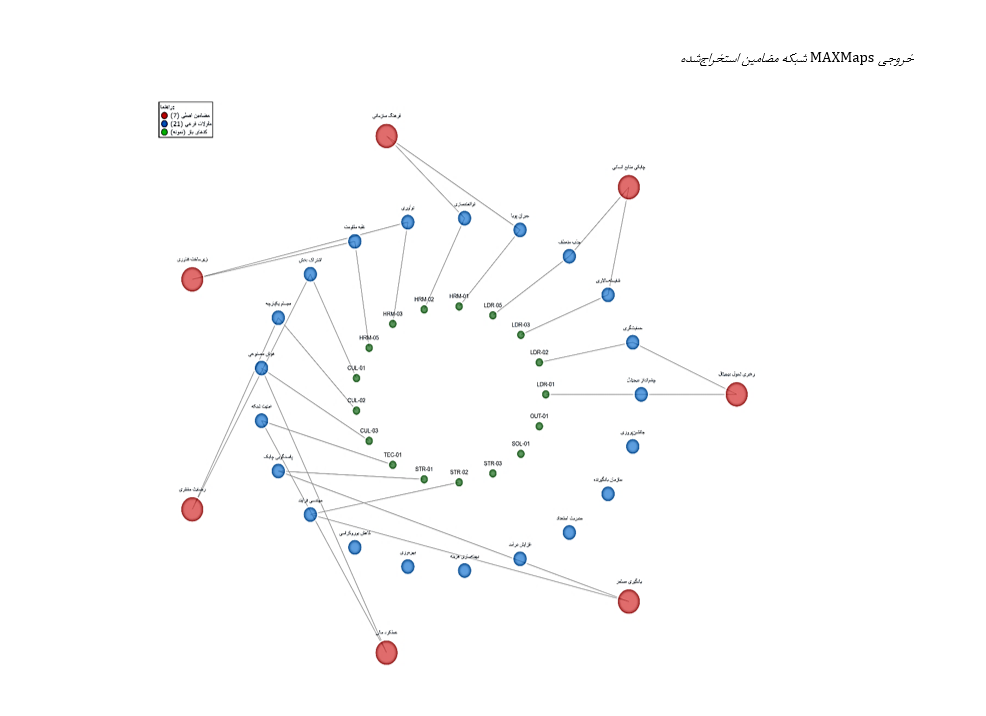
هدف پژوهش حاضر، تدوین مدل ساختاری ـ تفسیری منابع انسانی چابک با رهیافت قابلیتهای نرم تحول دیجیتال در شرکت راهآهن جمهوری اسلامی ایران بود. این پژوهش از نظر نتیجه، توسعهای ـ کاربردی، از نظر هدف، اکتشافی ـ توصیفی و از نظر نوع دادهها، آمیخته با طرح اکتشافی متوالی بود. در بخش کیفی، ۱۵ نفر از خبرگان، مدیران ارشد، متخصصان منابع انسانی و فناوری اطلاعات، مدیران صنعت ریلی و اعضای هیئت علمی به روش نمونهگیری هدفمند و گلولهبرفی تا رسیدن به اشباع نظری انتخاب شدند. دادهها از طریق مصاحبههای نیمهساختاریافته گردآوری و با استفاده از MAXQDA 2020 و فرآیند کدگذاری باز، محوری و انتخابی تحلیل شدند. پایایی کدگذاری با ضریب توافق هولستی بررسی شد. در بخش کمی، برای مدلسازی ساختاری ـ تفسیری از قضاوت همان ۱۵ خبره و چکلیست مقایسات زوجی استفاده شد و تحلیلها در MATLAB انجام گرفت. همچنین، ۱۹۱ نفر از کارکنان حوزه منابع انسانی راهآهن با روش نمونهگیری تصادفی طبقهای در پیمایش شرکت کردند و پرسشنامه محققساخته ۴۰ گویهای را تکمیل نمودند. تحلیل کیفی به استخراج هفت بعد شامل رهبری و حاکمیت تحول دیجیتال، چابکی منابع انسانی، فرهنگ سازمانی، زیرساخت فناوری اطلاعات، رضایت مشتری و فرآیندها، عملکرد مالی و عملیاتی و یادگیری و رشد مستمر منجر شد و رهبری تحولآفرین دیجیتال بهعنوان مقوله هسته شناسایی گردید. ضریب توافق هولستی ۰.۸۵۷ به دست آمد. تحلیل ISM یک ساختار پنجسطحی را نشان داد؛ رهبری و حاکمیت تحول دیجیتال در سطح پنجم و با قدرت نفوذ ۷ و وابستگی ۱ بنیادیترین عامل بود، فرهنگ سازمانی در سطح چهارم قرار گرفت، چابکی منابع انسانی، زیرساخت فناوری اطلاعات و یادگیری و رشد مستمر در سطح سوم جای گرفتند، رضایت مشتری و فرآیندها در سطح دوم و عملکرد مالی و عملیاتی در سطح اول قرار گرفتند. تحلیل MICMAC نیز رهبری و فرهنگ را متغیرهای مستقل، سه عامل سطح سوم را متغیرهای پیوندی و دو پیامد نهایی را متغیرهای وابسته نشان داد. نتایج نشان داد که شکلگیری منابع انسانی چابک در بستر تحول دیجیتال بیش از آنکه صرفاً به فناوری وابسته باشد، از رهبری تحولآفرین و فرهنگ سازمانی آغاز میشود و از طریق توسعه همزمان قابلیتهای انسانی، فناورانه و یادگیری به بهبود فرآیندها و عملکرد مالی و عملیاتی منتهی میگردد.
دانلودها
مراجع
Ali, A., Ziaeddini, M., & Hadavi Nejad, M. (2022). Meta-Analysis of Human Resource Agility. Resource Management in Law Enforcement, 37, 225-253. https://www.magiran.com/paper/2422213/meta-analysis-of-human-resources-agility?lang=en
Althabhawee, A. A. K., & Saeed, Z. M. H. (2024, March). Digital human resources management and its role in enhancing career agility: A research study that analyzes the viewpoints of a sample of employees at many private banks in the Najaf governorate
Bahramian, l., Vedadi, a., & Gholamzadeh, D. (2023). Providing a model of human capital agility in agricultural jihad. Journal of Human Capital Empowerment, 5(4), 307-318. https://jhce.rasht.iau.ir/article_696947.html
https://jhce.rasht.iau.ir/article_696947_e7939871883e521a9b4be37c8c14f728.pdf
Chesnokova, O., Churbanova, S., Molchanov, S., & Markish, O. (2022). The role of social intelligence and creativity as personal resources for coping with uncertainty during primary career self-determination in late adolescence. European Psychiatry, 65(S1), S335-S335. https://doi.org/10.1192/j.eurpsy.2022.852
Ghonim, M. A., Goda, A. E. M. A., Khashaba, N. M., Elsotouhy, M. M., & Khashan, M. A. (2024). Impact of organizational energy on digital transformation in healthcare services: the movement of human resources from inertia to flexibility. Euromed Journal of Business.
Heidari, A., Yazdani, H., Hakim, A., Zarei Matin, H., & Babashahi, J. (2025). Presenting a digital transformation roadmap in human resources with a meta-synthesis approach. Organizational Resources Management Research, 12(4), 97-118.
Jalali, P., Salimi, M., Ninavaei, M., & Irannejad, P. (2024). Validation of a Digital Transformation Leadership Model in Education at Alborz University of Medical Sciences. Human Resources Excellence, 5(2), 78-102.
Jameh Abrishami, S., Mir Mohammad Sadeghi, S. A., & Aliyari, S. (2022). Designing a model for the agility of holy shrines in Iran based on the role of human resources. Studies in Organizational Behavior, 11(4), 125-164.
Jameh Abrishami, S., MirMohammadSadeghi, S. A., & Aliyari, S. (2022). Designing an Agility Model for Holy Shrines in Iran Based on the Role of Human Resources. Organizational Behavior Studies, 11(4), 125-164. https://obs.sinaweb.net/article_701382.html?lang=en
Khaki Vatan, N., Abbasian, H., NavehEbrahim, A., & Arasteh, H. R. (2021). Examining the state of agility in human resources in education. School Management, 9(1), 71-97. https://jsa.uok.ac.ir/article_61862.html
Khakivatan, N., Abbasian, H., navehebrahim, A., & Arasteh, H. R. (2021). Study The Agility of Human Resources in the Education. School administration, 9(1), 97-71.
Mirkhani, K. (2025). Digital Transformation in Human Resources: The Key Role of Artificial Intelligence and Gartner Solutions.
Mohammad Azir, A., Doustar, M., Akbari, M., & Yakideh, K. (2024). A Conceptual Framework for Digital Transformation Based on E-Leadership in the Higher Education System: A Study of the Kurdistan Region of Iraq. Human Resources Studies, 14(3), 88-117.
Mujahidin, A., Zuhad, Z., & Irawanto, B. (2026). Digital Transformation Model for Higher Education Governance: An Integration of Business Processes, Human Resources, and Technology. Priviet Social Sciences Journal, 6(4), 151-163. https://doi.org/10.55942/pssj.v6i4.1129
Reyes-Cornejo, P., Araya-Castillo, L., Moraga-Flores, H., Boada-Grau, J., & Olivares-Brito, C. (2025). Scientometric study of digital transformation and human resources: Collaborations, opportunities, and future research directions. Administrative Sciences, 15(4), 152. https://doi.org/10.3390/admsci15040152
Tiwow, G. M. (2023). Human Resources Management in Trouble Time: Strategy to Increase Organization Agility for Digital Transformation in University. Ijite, 2(4), 99-112. https://doi.org/10.62711/ijite.v2i4.166
Yadnya, I. D. G. S. A., Izaak, F. D. L., & Ausat, A. M. A. (2023). Strategic Engineering of Human Resources Development (HRD) to Respond to the Digital Transformation Era in the Context of Business Information Systems. Polgan Minfo Journal, 12(2), 2584-2591. https://doi.org/10.33395/jmp.v12i2.13319
دانلودها
گاهشمار انتشار
- ارسال
- بازنگری
- پذیرش
شماره
نوع مقاله
مجوز
حق نشر 2025 Hassanali Rezaei (Author); Mohammad Reza Dalvi; Alireza Shirvani Jozdani (Author)

این پروژه تحت مجوز بین المللی Creative Commons Attribution-NonCommercial 4.0 می باشد.