شناسایی و اولویتبندی ابعاد مدیریت بازاریابی مبتنی بر هوش مصنوعی در صنعت فولاد ایران: یک مطالعه آمیخته
کلمات کلیدی:
مدیریت بازاریابی, هوش مصنوعی, صنعت فولاد, مطالعه آمیخته, اولویتبندیچکیده
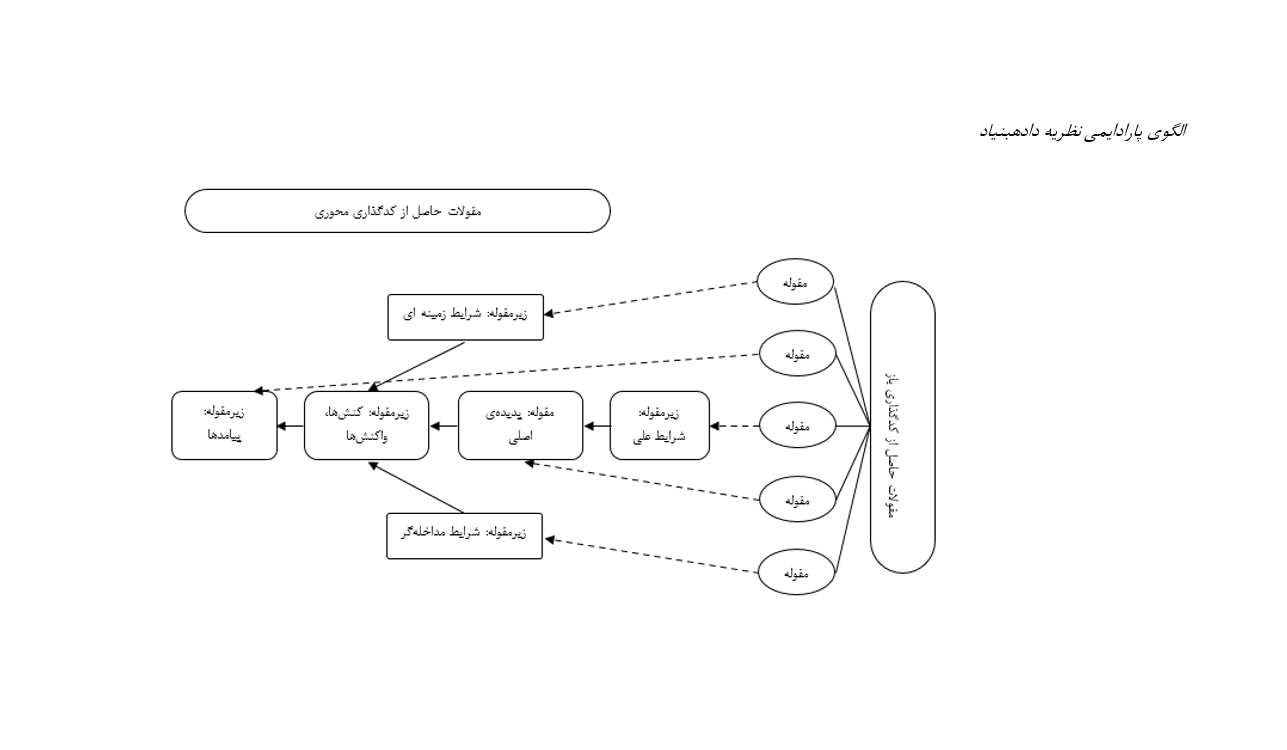
هدف این پژوهش، شناسایی و اولویتبندی ابعاد مدیریت بازاریابی مبتنی بر هوش مصنوعی در صنعت فولاد ایران بود. این مطالعه از نظر هدف، کاربردی.توسعهای و از نظر روش، آمیخته کیفی–کمی بود. در بخش کیفی، از راهبرد نظریه دادهبنیاد با رویکرد سیستماتیک استراوس و کوربین استفاده شد. مشارکتکنندگان این بخش شامل ۱۶ نفر از خبرگان، مدیران ارشد، مدیران بازرگانی، فروش، فناوری اطلاعات و استادان دانشگاه مرتبط با صنعت فولاد بودند که به روش هدفمند و گلولهبرفی تا رسیدن به اشباع نظری انتخاب شدند. دادهها از طریق مصاحبه نیمهساختاریافته گردآوری و با نرمافزار MAXQDA در سه مرحله کدگذاری باز، محوری و گزینشی تحلیل شد. در بخش کمی، جامعه آماری شامل ۴۰۰ نفر از کارکنان معاونت بازرگانی فولاد اصفهان بود که بر اساس جدول مورگان، ۱۹۶ نفر به روش نمونهگیری در دسترس انتخاب شدند. ابزار گردآوری دادهها پرسشنامه محققساخته مبتنی بر یافتههای کیفی بود. روایی ابزار با CVR و CVI و پایایی آن با آلفای کرونباخ تأیید شد. دادهها با نرمافزارهای SPSS و SmartPLS و با استفاده از مدلسازی معادلات ساختاری تحلیل گردید. نتایج مدلسازی معادلات ساختاری نشان داد که تمامی مسیرهای مدل معنادار بودند و مقادیر t برای همه مسیرها بالاتر از ۱.۹۶ قرار داشت؛ بنابراین، کلیه فرضیههای پژوهش تأیید شد. شاخص برازش کلی مدل برابر با ۰.۷۸۴ به دست آمد که نشاندهنده برازش قوی مدل است. بر اساس ضرایب تأثیر، قابلیتهای تحلیلی هوش مصنوعی با ضریب ۰.۳۴۲ در رتبه نخست، زیرساخت دادهمحور با ضریب ۰.۲۹۸ در رتبه دوم، عوامل سازمانی و مدیریتی با ضریب ۰.۲۴۵ در رتبه سوم، منابع انسانی هوشمند با ضریب ۰.۲۱۵ در رتبه چهارم، راهبردهای پیادهسازی با ضریب ۰.۱۹۶ در رتبه پنجم و الزامات محیطی و قانونی با ضریب ۰.۱۸۷ در رتبه ششم قرار گرفتند. یافتهها نشان میدهد که پیادهسازی موفق مدیریت بازاریابی مبتنی بر هوش مصنوعی در صنعت فولاد ایران بیش از هر چیز به قابلیتهای تحلیلی هوش مصنوعی و زیرساخت دادهمحور وابسته است. بنابراین، شرکتهای فولادی برای حرکت به سمت بازاریابی هوشمند باید ابتدا کیفیت، یکپارچگی و قابلیت بهرهبرداری از دادهها را تقویت کرده و سپس بر توسعه ابزارهای تحلیلی، توانمندسازی نیروی انسانی و تدوین راهبردهای اجرایی متمرکز شوند.
دانلودها
مراجع
Bagheri, M., Torkian Tabar, M., & Samadzadeh, M. (2025). The role of artificial intelligence in marketing activities. 14th International Conference on Interdisciplinary Research in Management, Accounting, and Economics in Iran, Tehran.
Bashkouh Ajirlou, M., & Mohammadkhani, R. (2023). Designing a model for implementing business-to-business digital marketing with emphasis on artificial intelligence-based customer relationship management. Modern Marketing Research, 13(3), 133-158.
Dehdashti Shahrokh, Z., Garavand, A., & Mousavi, S. M. R. (2025). Artificial intelligence in marketing. Third National Student Branch Conference on Modern Management in the Age of Artificial Intelligence, Tehran.
Ebrahimi, A., & Ebrahimi, N. (2025). Investigating the effect of artificial intelligence on improving customer experience through social media marketing. Management, Education and Development in the Digital Age, 9, 1-13.
Elhajjar, S. (2024). The current and future state of the marketing management profession. Journal of Marketing Theory and Practice, 32(2), 233-250. https://doi.org/10.1080/10696679.2023.2166535
Hina, N., & Kashif, M. (2025). Artificial intelligence and predictive marketing: An ethical framework from managers' perspective. Spanish Journal of Marketing - Esic, 29(1), 22-45. https://doi.org/10.1108/SJME-06-2023-0154
Kazemi Saraskanroud, Z., & Safari, M. (2023). Designing an artificial intelligence-based marketing process model: Application of the systematic review strategy. Business Reviews, 21(123), 109-126.
Kolbjørnsrud, V. (2024). Designing the intelligent organization: Six principles for human-AI collaboration. California Management Review, 66(2), 44-64. https://doi.org/10.1177/00081256231211020
Kouhzadi, F., Gharehbiglou, H., Boudaghi Khajeh Nobar, H., & Alavi Matin, Y. (2022). Designing a big data-based customer relationship management model. Advertising and Sales Management, 3(1), 112-130.
Landaran Esfahani, S., & Jaberzadeh Ansari, A. (2023). The effect of artificial intelligence on brand, customer behavior analysis, and marketing management. Encyclopedia of Management Sciences, 1(4), 30-38.
Marvi, R., Foroudi, P., & Cuomo, M. T. (2025). Past, present and future of AI in marketing and knowledge management. Journal of Knowledge Management, 29(11), 1-31. https://doi.org/10.1108/JKM-07-2023-0634
Rashidi, M., Amin, M., Asbi, A., Sivakumaran, V. M., Kim, J., & Septiarini, E. (2025). Artificial intelligence (AI) adoption in marketing strategies: Navigating the present and shaping the future business landscape. Social Sciences & Humanities Open, 12, 102048. https://doi.org/10.1016/j.ssaho.2025.102048
Shafiei, A., & Mirabi, V. (2019). Presentation and validation of a strategic marketing model in large companies of the steel industry.
Shaik, M. (2023). Impact of artificial intelligence on marketing. East Asian Journal of Multidisciplinary Research, 2(3), 993-1004. https://doi.org/10.55927/eajmr.v2i3.3112
Sheshadri, T., Shelly, R., Sharma, K., Sharma, T., & Basha, M. (2024). An empirical study on integration of artificial intelligence and marketing management to transform consumer engagement in selected PSU banks (PNB and Canara Banks). Naturalista Campano, 28(1), 463-471.
Swapan, G. (2025). Developing artificial intelligence (AI) capabilities for data-driven business model innovation: Roles of organizational adaptability and leadership. Journal of Engineering and Technology Management, 75, 101851. https://doi.org/10.1016/j.jengtecman.2024.101851
Torabi, M. A., Milani, S. M. S., & Abbasian, E. (2025). A critical review of intelligent marketing strategies: Challenges between data-driven marketing and human experience in the era of pervasive technologies. Intelligent Marketing Management, 6(1), 1-10.
Wang, J., & Yu, L. (2025). Application and practice of artificial intelligence in marketing strategy. Discover Artificial Intelligence, 5, 103. https://doi.org/10.1007/s44163-025-00346-1
دانلودها
گاهشمار انتشار
- ارسال
- بازنگری
- پذیرش
شماره
نوع مقاله
مجوز
حق نشر 1404 Sanaz Ohadi (Author); Seyed Mehdi Jalali; Tahereh Hasoumi (Author)

این پروژه تحت مجوز بین المللی Creative Commons Attribution-NonCommercial 4.0 می باشد.